
Site Prep That Meets Project Requirements
Excavation Services in Monroe for residential site preparation, trenching work, and property development projects
Construction timelines stall when excavation isn't completed to the depths, widths, and elevations that subsequent work requires, and rework costs multiply when initial site prep misses grade or encounters unexpected subsurface conditions. American Grading & Hardscapes handles excavation work across Monroe for homeowners and small commercial projects that need accurate digging for foundations, utility lines, drainage systems, and grading adjustments. Local construction activity continues to increase throughout this region, which creates steady demand for excavation contractors who operate equipment safely and complete site preparation within project schedules.
Excavation removes soil, rock, or old material to create space for new construction, establish proper grade, or install underground utilities and drainage systems. The work requires operating machinery that can dig to specific depths while maintaining stable trench walls, remove excavated material from the site or redistribute it to fill areas, and avoid damaging existing utilities or structures. Different soil conditions across properties affect how excavation proceeds—loose fill digs quickly but may require shoring, while dense clay or rock layers slow progress but typically hold trench walls without support.
Request project-specific excavation estimates based on your site conditions and the scope of work planned.
What Changes After Site Excavation Completes
Excavation establishes the physical space where construction or installation work happens—foundation footings sit at the correct depth below finish grade, utility trenches run at depths that meet code and prevent freeze damage, and drainage systems are positioned to move water by gravity flow. Equipment operators use grade stakes, laser levels, or GPS guidance to dig to exact elevations, and they track subsurface findings like rock ledges, high water tables, or unmarked old utilities that could affect the project.
After excavation, the areas prepared for construction are visibly open and dug to depths that allow footings, pipes, or other elements to be installed at their design elevations. Excavated soil is either stockpiled on-site for later backfill use or hauled away if unsuitable for reuse. Trench walls remain stable and accessible for workers to complete installation tasks safely. Properties prepared for new construction show cleared building pad areas graded level and ready for foundation work.
Safe excavation includes calling for utility locates before any digging begins, maintaining proper trench depths to prevent cave-ins when workers enter excavations, and coordinating with other trades so site prep aligns with their schedule needs. Efficient excavation keeps projects moving without delays while accurate digging minimizes the need for corrections that slow subsequent work phases.
Why Choose Vibrant Tree Services for Stump Grinding?
With Vibrant Tree Services, you can trust that every stump removal is done safely, efficiently, and with attention to detail — leaving your yard looking vibrant and refreshed.
Common Excavation Questions
Property owners planning construction or site improvements generally ask about excavation capabilities, timing factors, and how subsurface conditions affect the work.
American Grading & Hardscapes coordinates excavation work with project schedules and completes site prep efficiently so construction can proceed without delays caused by incomplete or inaccurate digging. Set up an evaluation to review your site requirements and excavation scope.
What types of projects require excavation services?
Excavation supports foundation work, utility line installation, drainage system construction, driveway base preparation, pool installations, and grading projects that involve removing or redistributing large soil volumes.
How do soil conditions in Monroe affect excavation work?
Clay soil common throughout the area can be sticky and heavy when wet, which slows digging and loading, while some properties have rock layers that require different equipment or techniques to remove efficiently.
When should excavation happen in the project timeline?
Excavation typically occurs after site clearing and utility locates but before any construction or installation work begins, since other trades need the space and access that excavation provides.
What equipment is used for residential excavation?
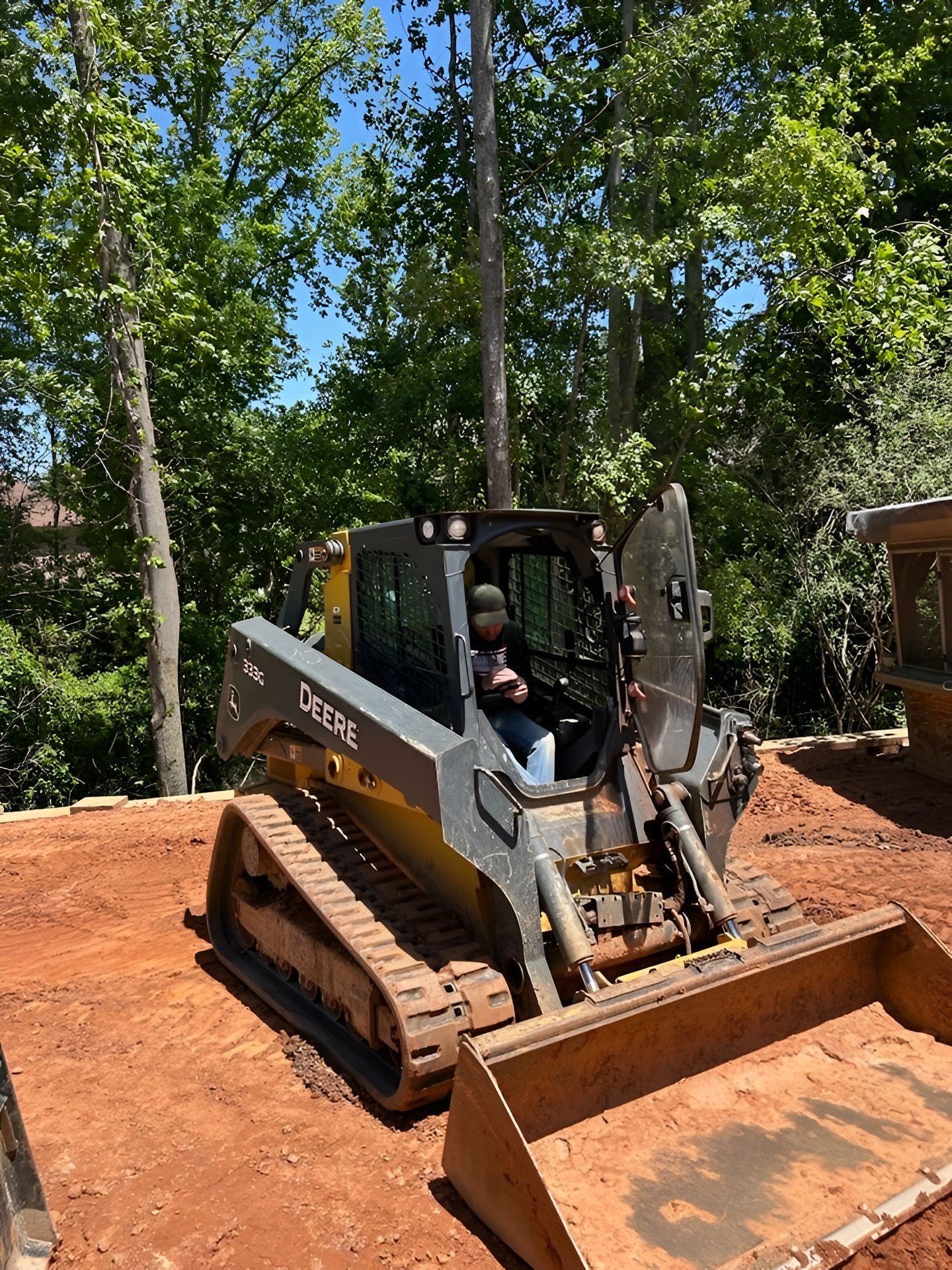
Most residential projects use excavators ranging from compact models for tight access areas to mid-size machines for larger digs, along with skid steers for loading and grading work.
Why is accurate excavation depth important?
Footings, pipes, and drainage systems must sit at specific elevations to function correctly and meet code requirements, so digging too shallow or too deep creates problems that delay work and add costs to correct.